Direct Liquid Cooling: the key to high-density GPU clusters
As computing density increases, air cooling quickly reaches its limits. Direct Liquid Cooling provides a concrete response to the thermal needs of high-performance AI infrastructures.

Waste heat as a resource.
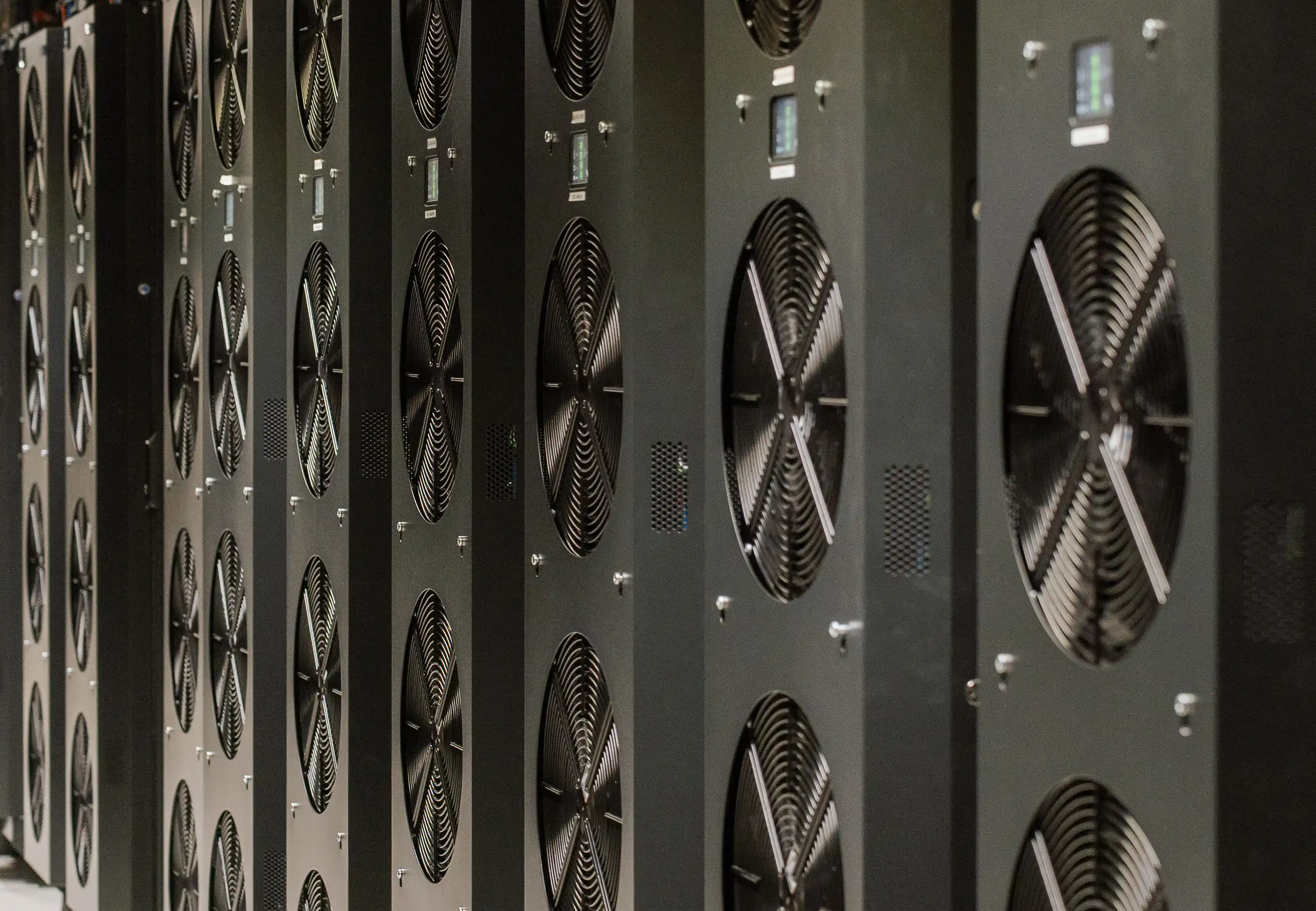
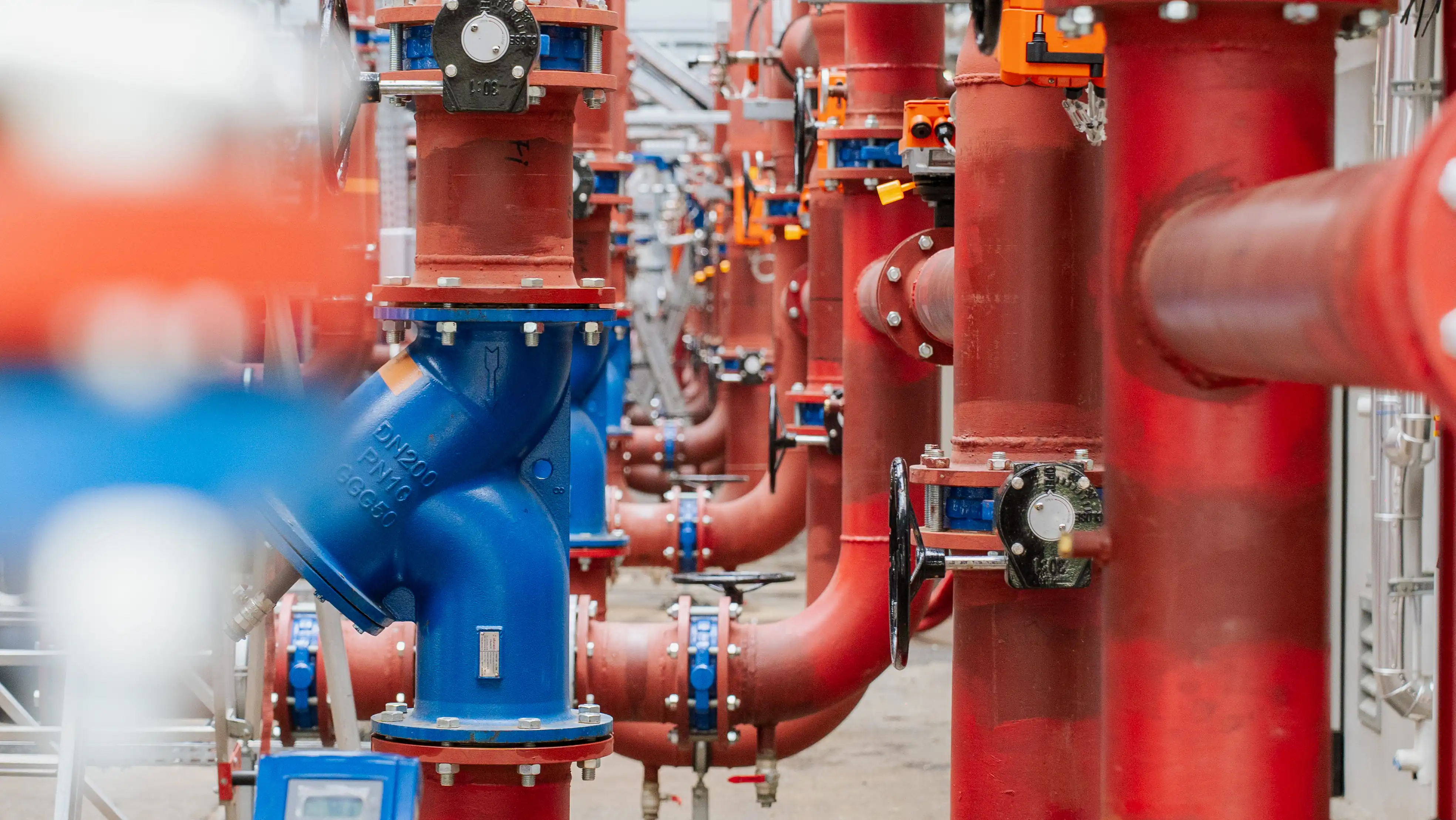
Modern GPU clusters impose thermal constraints that classical architectures struggle to manage. As density increases, air cooling becomes insufficient, costly and less effective. Direct Liquid Cooling responds to this evolution by bringing the fluid as close as possible to the heat-generating components.
This family of solutions encompasses several approaches: direct-to-chip, immersion cooling, or dielectric fluids. The challenge is not to choose a trendy technology, but to select the solution best suited to the targeted density, server type and site constraints. It is an engineering decision, not a simple equipment choice.
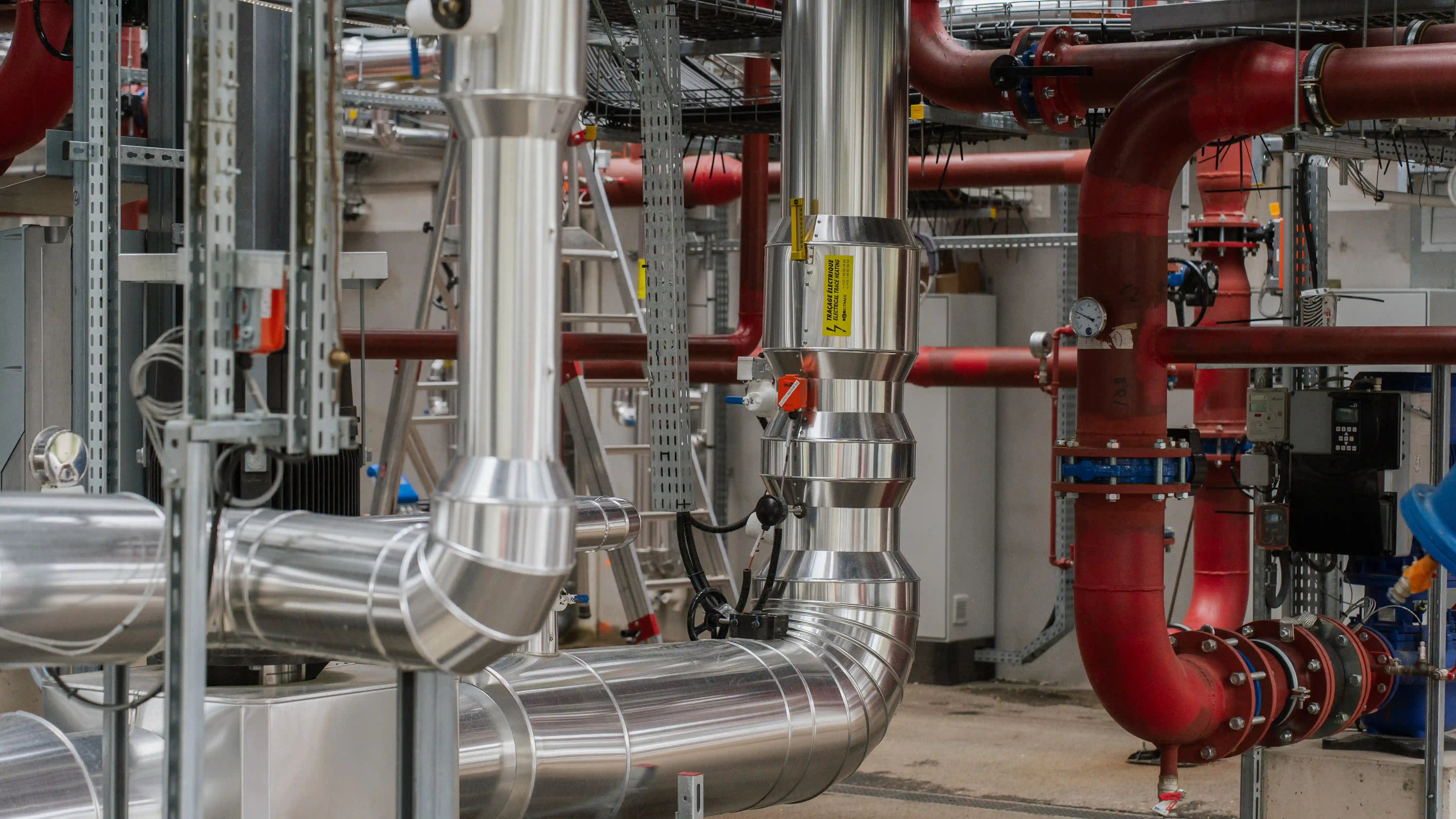
To measure the quality of AI infrastructure, indicators matter as much as technology. PUE, WUE, ISO 50001 and waste heat valorisation enable precise monitoring of energy performance. They also help to embed the project in a sustainable operating logic.
At bottom, cooling is not a secondary topic. It is what enables computing power to remain exploitable, stable and sustainable at industrial scale.
"At Eclairion, cooling is not dimensioned for today. It is designed to absorb tomorrow's densities without compromising stability or energy balance."
You can also read
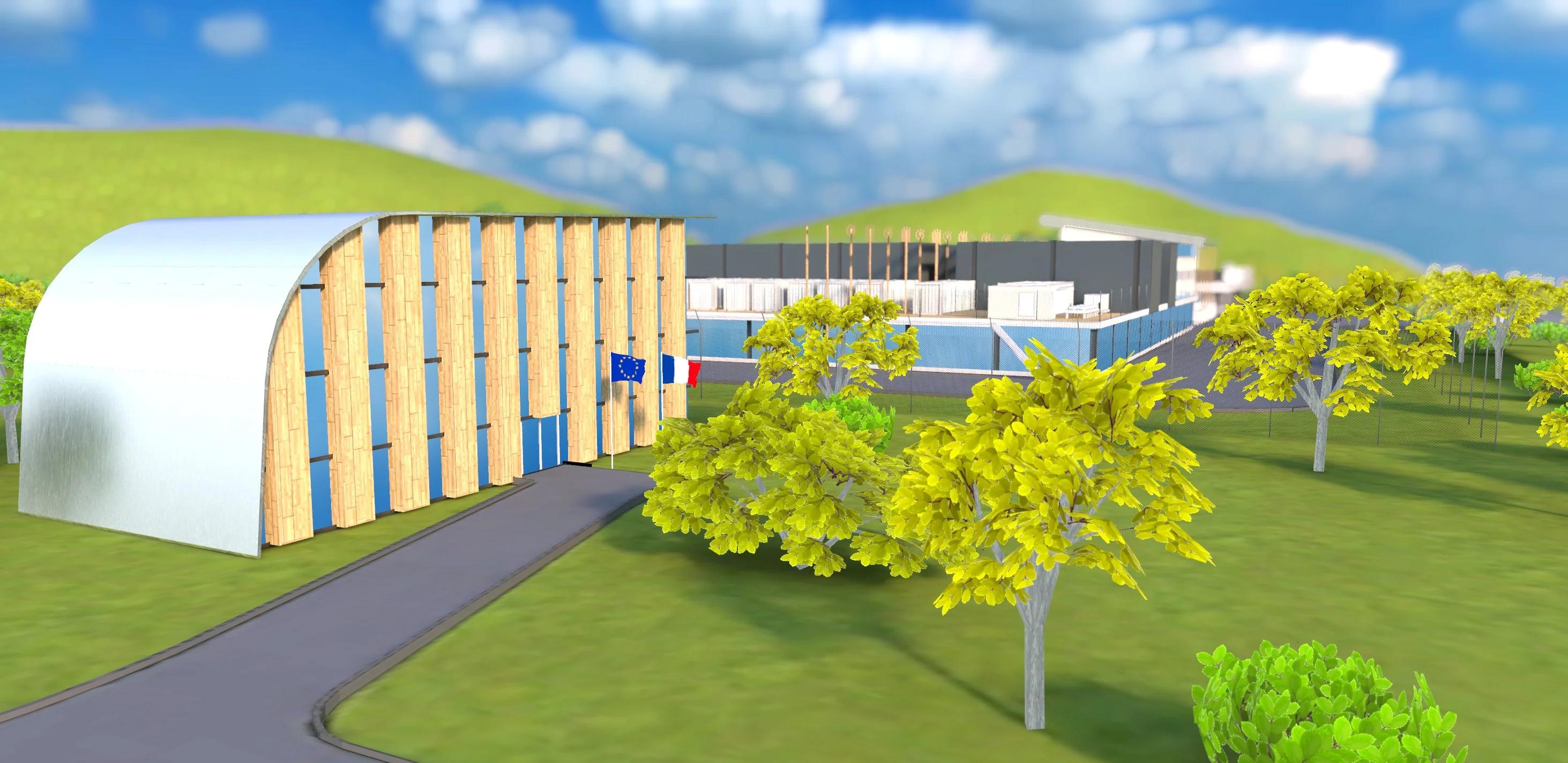
Eclairion: pioneering a new era for high-density supercomputer hosting in France.
A custom-built platform to meet high-density needs.
Choose France: Eclairion, the French supercomputer hosting center, will invest 2.5 billion euros in France over four years.
This announcement comes as an all-French edition of the Choose France summit opens Monday in Paris, with over 150 groups invited. "More than 30 billion euros in French investment" will be announced there, according to Bercy.
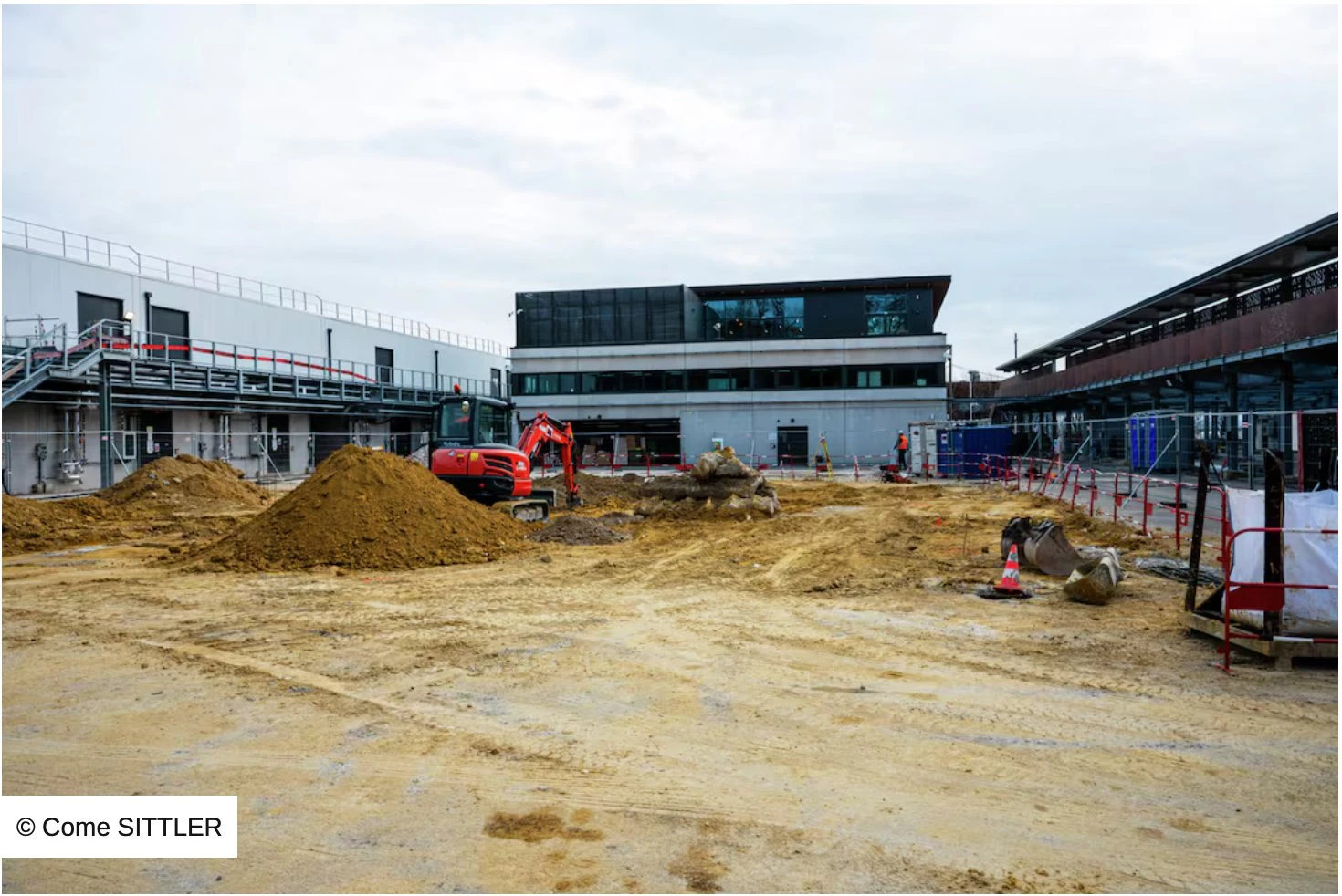
Environmental impact was a key factor
EDF once again chooses Eclairion to build a data center on a former site near Lyon
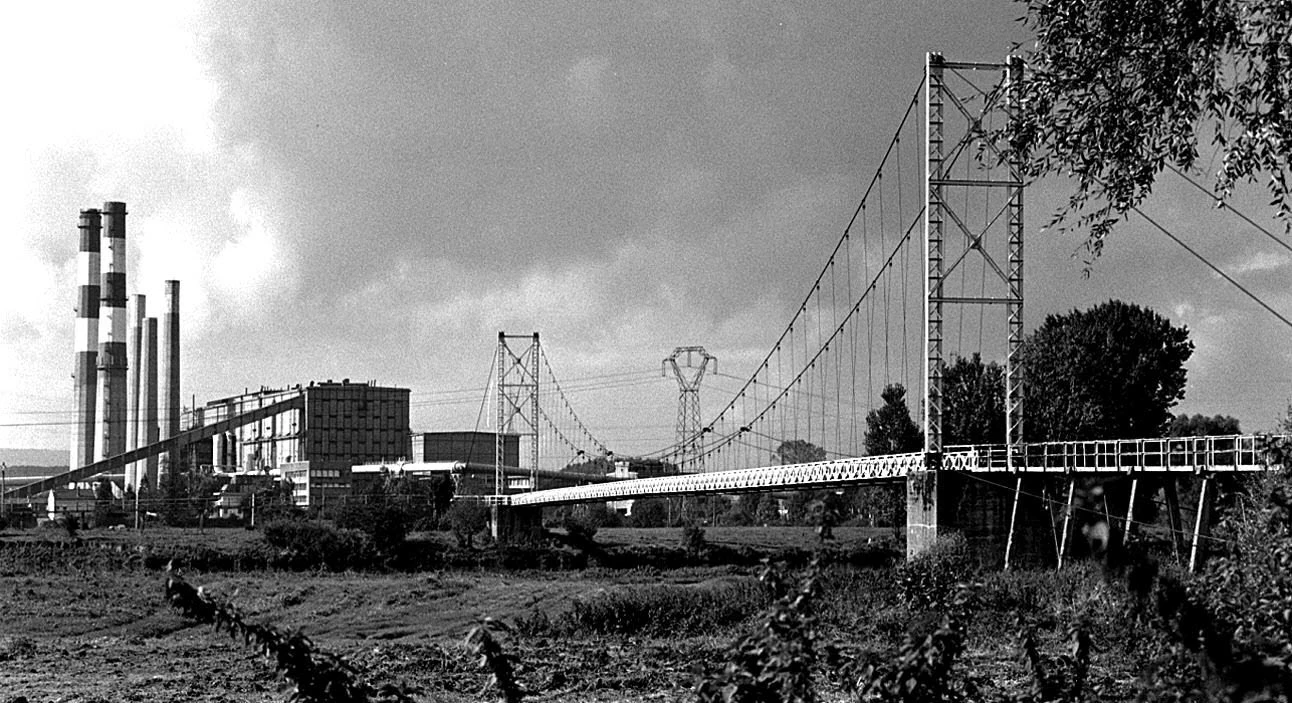
An AI Factory that creates value for its territory
An AI Factory can be a territorial asset, not just a technical site. By establishing on industrial brownfields and repurposing waste heat, it contributes to local rehabilitation and transition.

Digital sovereignty starts from the physical layer
Digital sovereignty is not limited to data or software. It also starts with control of the physical infrastructure, its location, its applicable law and its legal dependencies.
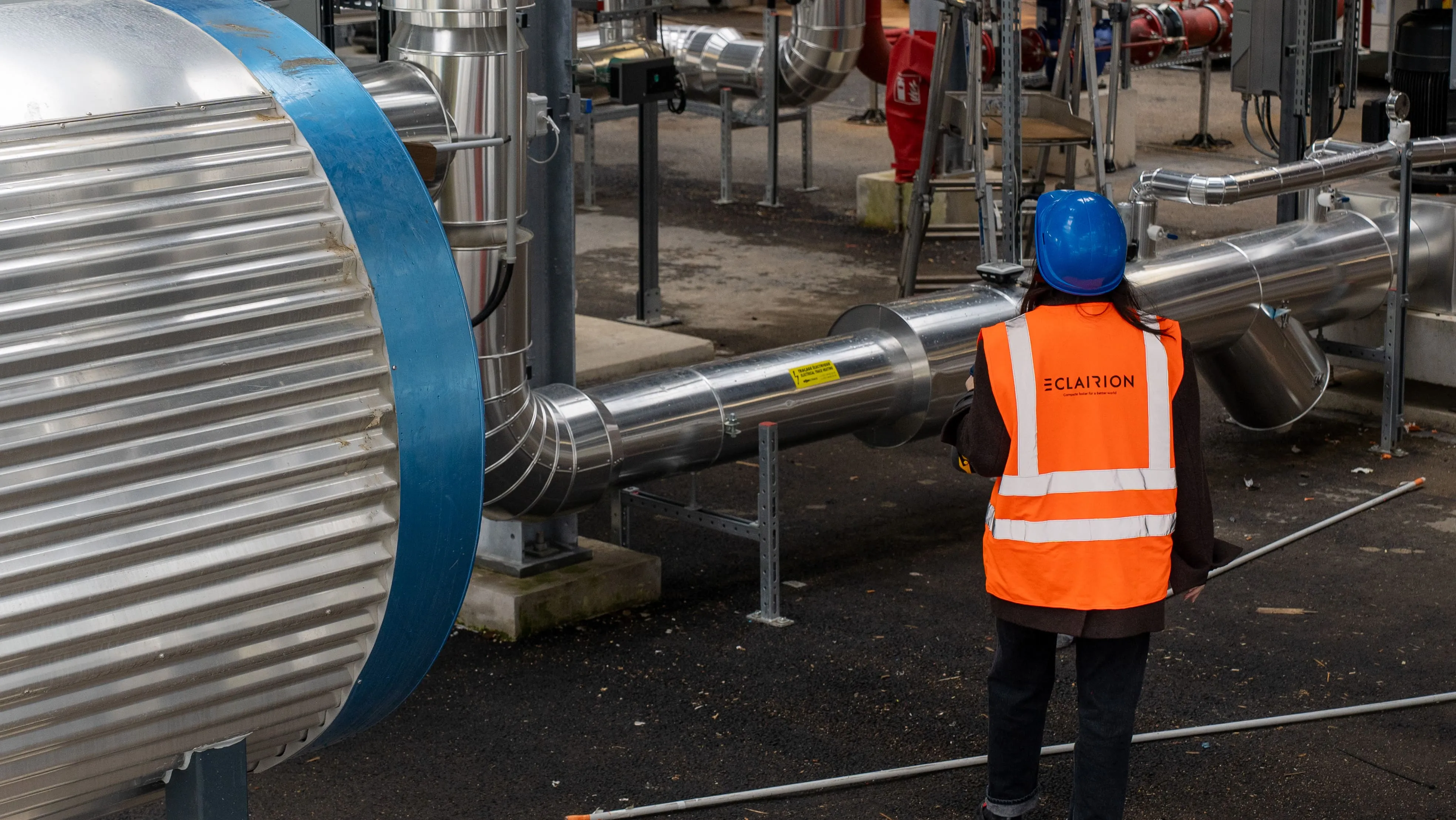
The AI Factory as physical infrastructure, not just a datacenter
Before talking about artificial intelligence, we need to talk about infrastructure. An AI Factory rests first on a physical base capable of absorbing very high GPU loads, without compromise on space, power and cooling.