Digital sovereignty starts from the physical layer
Digital sovereignty is not limited to data or software. It also starts with control of the physical infrastructure, its location, its applicable law and its legal dependencies.

Why sovereignty starts beneath the racks
When we talk about digital sovereignty, we often think of data, cloud or encryption. But for AI infrastructure, the question arises earlier: who actually controls the physical layer? If space, energy and cooling depend on an actor subject to a foreign jurisdiction, sovereignty remains partial.
The issue is therefore as much legal as industrial. An AI Factory operated under French law, with French and European capital, offers a more legible basis for CIOs, lawyers and compliance officers. It reduces grey areas linked to extraterritoriality and facilitates alignment with requirements of frameworks such as GDPR, NIS2 and SecNumCloud.
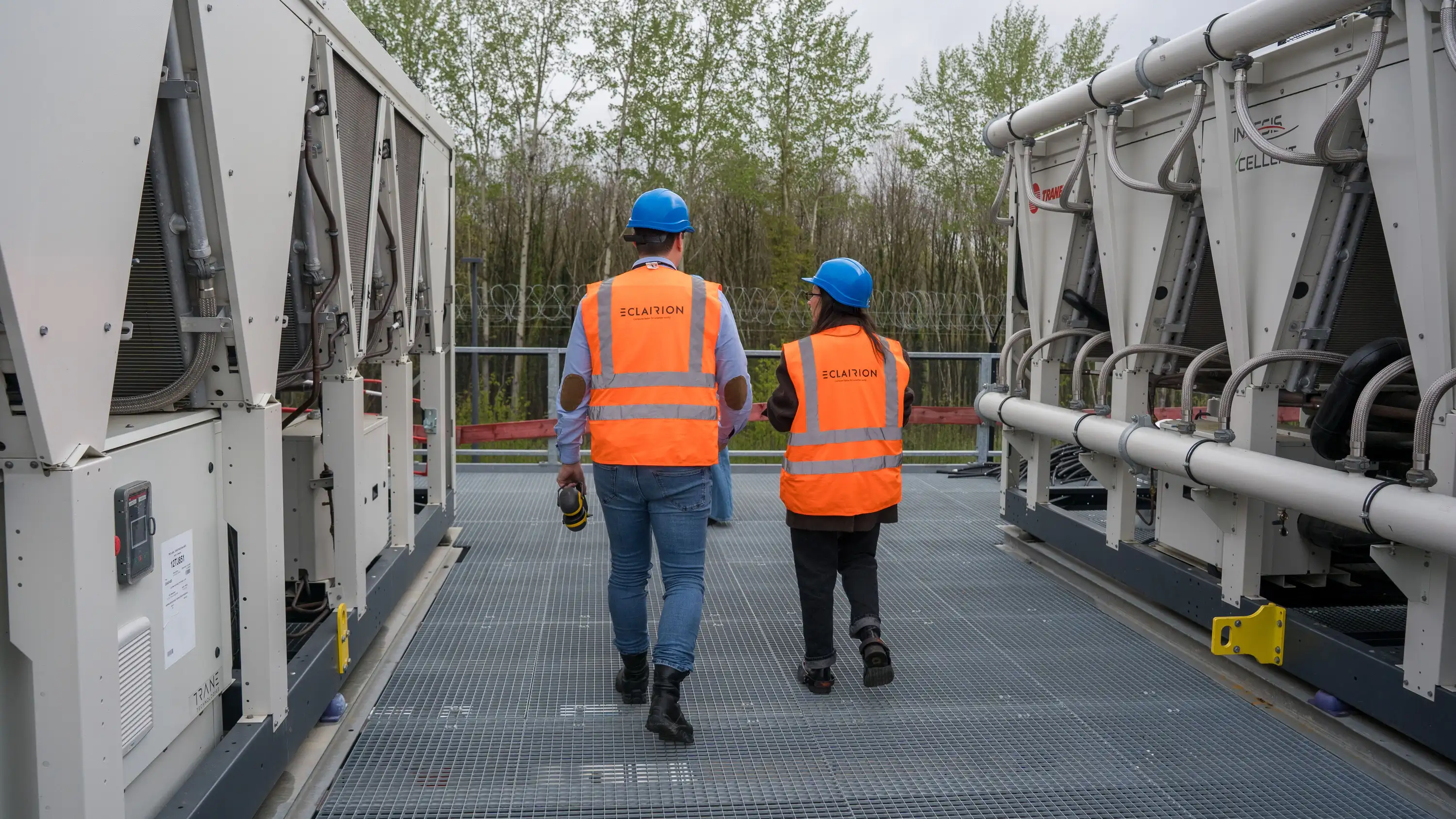
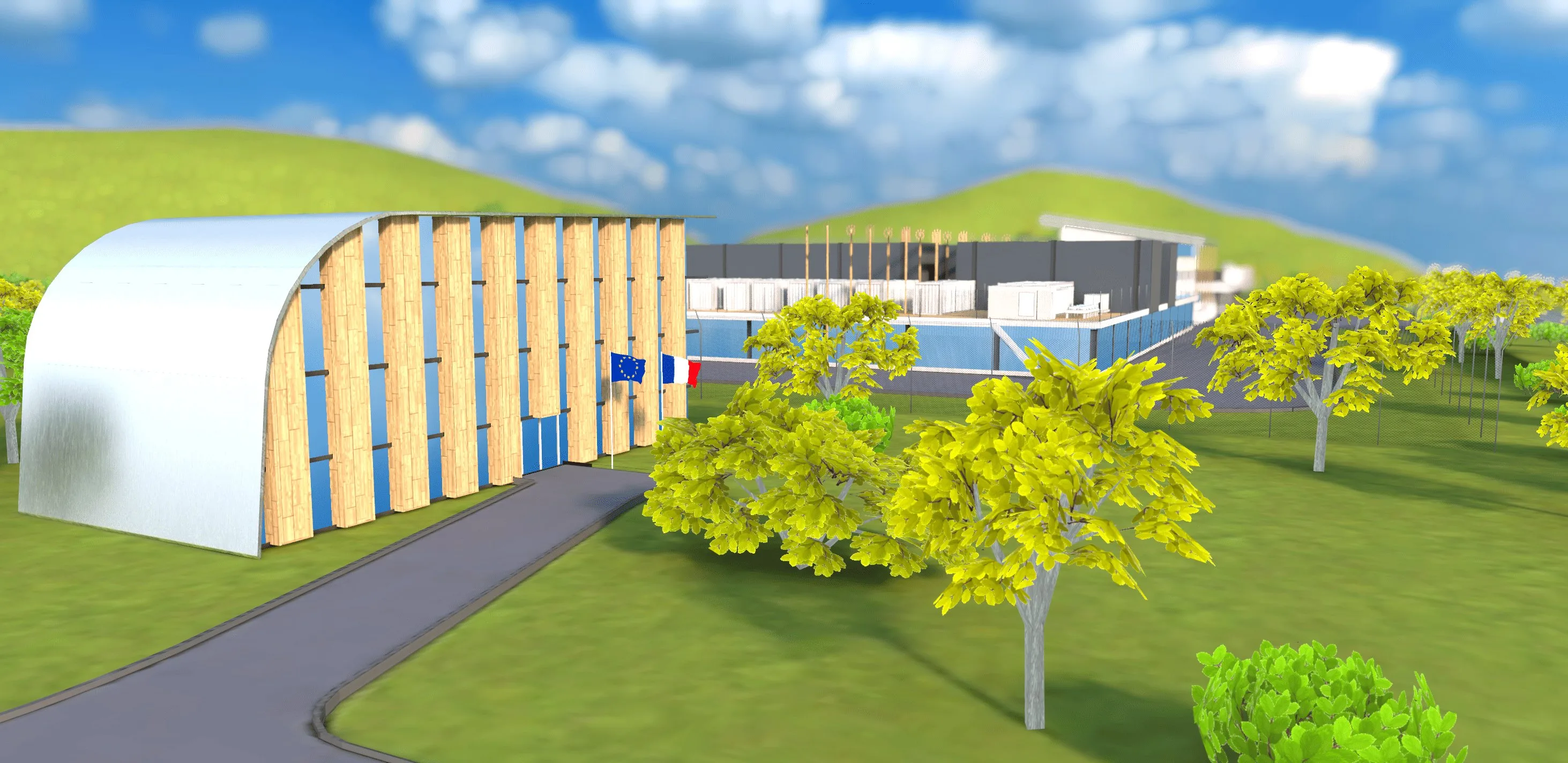
The point is not to brandish sovereignty as an abstract rallying cry. The challenge is to make infrastructure predictable, controllable and compatible with the requirements of sensitive sectors. A sovereign physical layer does not eliminate all risk, but it eliminates a structural vulnerability: dependence on a foreign jurisdiction over the very tool that carries the computations.
The right reflex is therefore not to ask only where the data is, but also where the foundations that enable it to function are.

You can also read
Eclairion: pioneering a new era for high-density supercomputer hosting in France.
A custom-built platform to meet high-density needs.
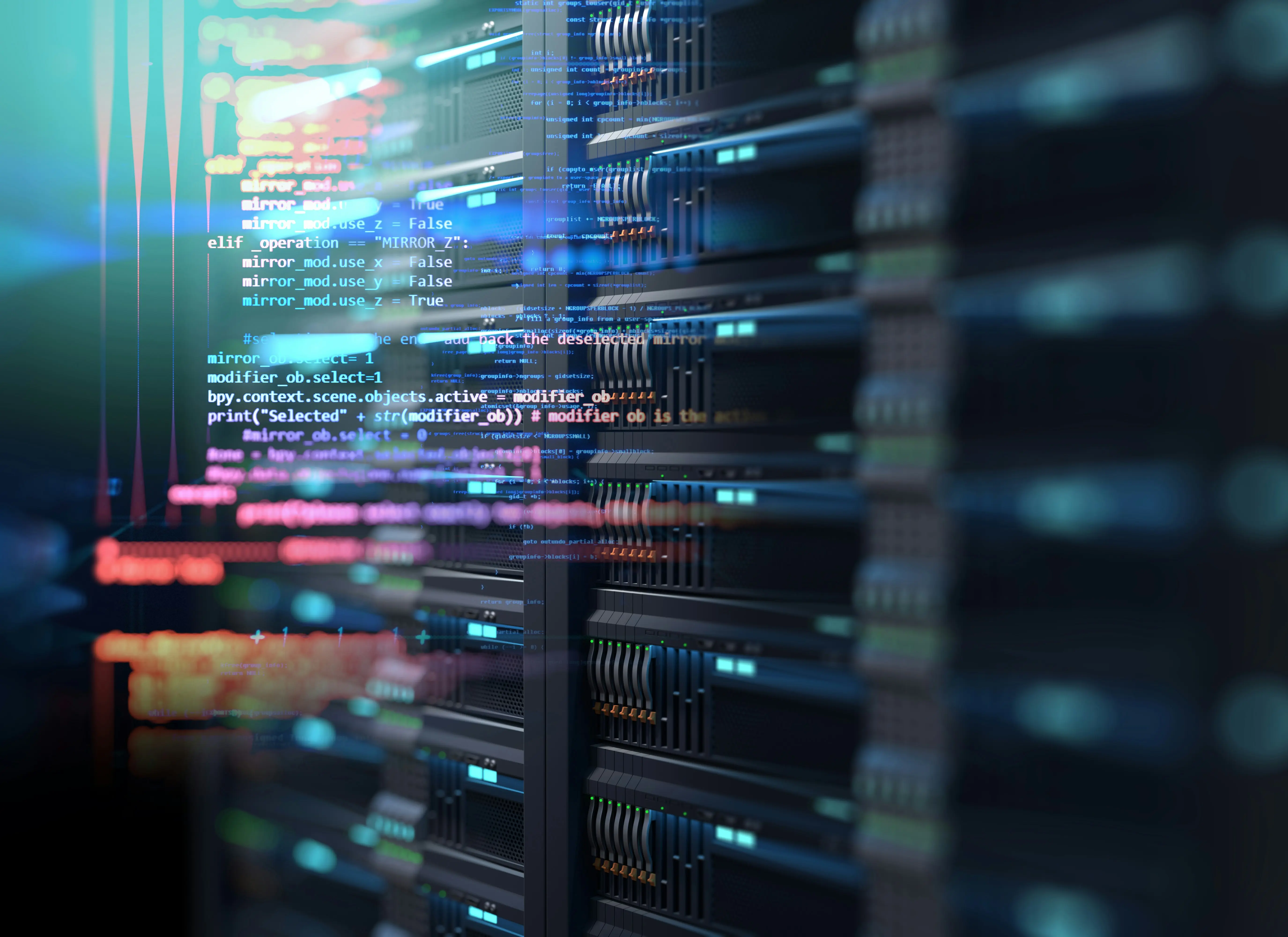
Choose France: Eclairion, the French supercomputer hosting center, will invest 2.5 billion euros in France over four years.
This announcement comes as an all-French edition of the Choose France summit opens Monday in Paris, with over 150 groups invited. "More than 30 billion euros in French investment" will be announced there, according to Bercy.
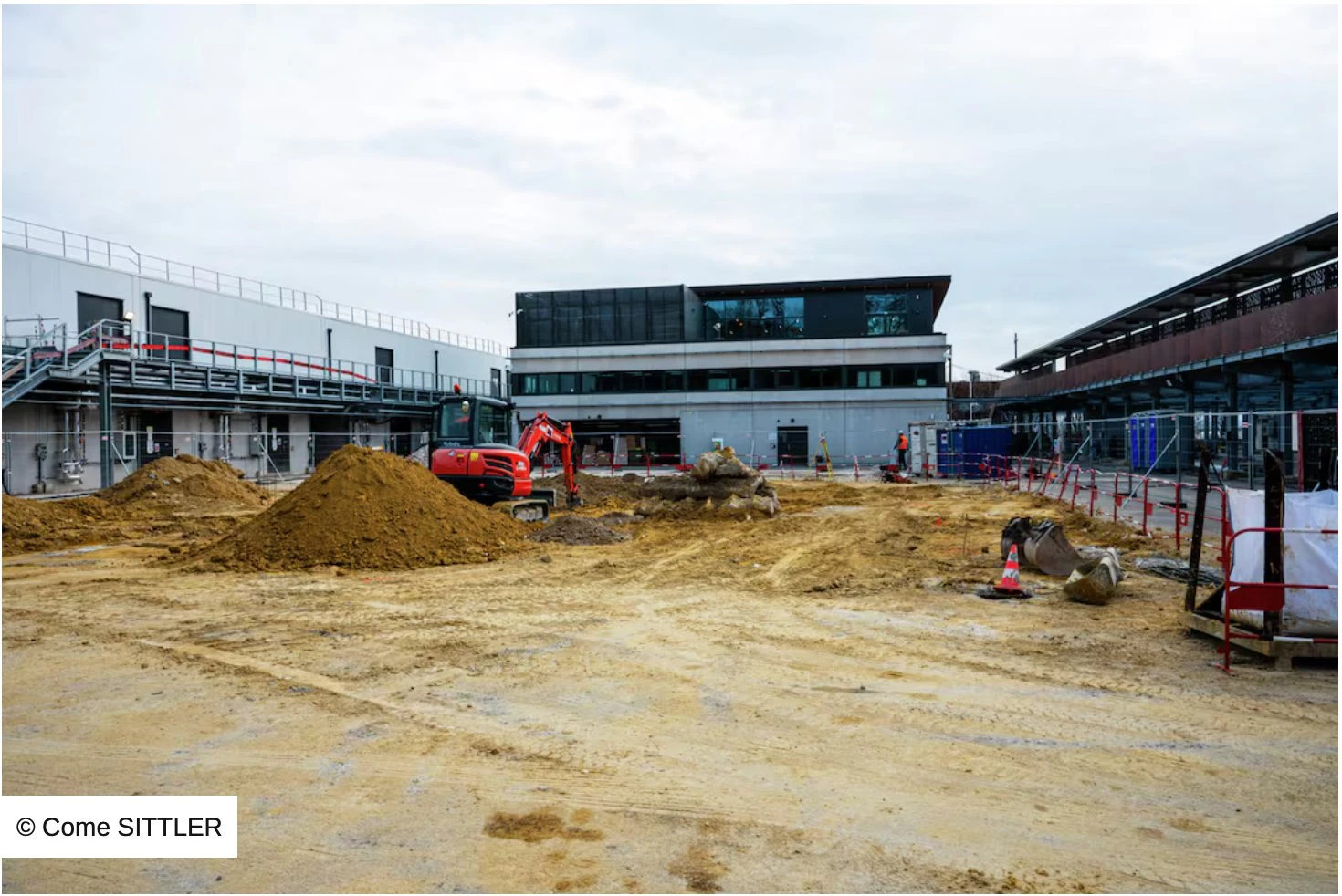
Environmental impact was a key factor
EDF once again chooses Eclairion to build a data center on a former site near Lyon
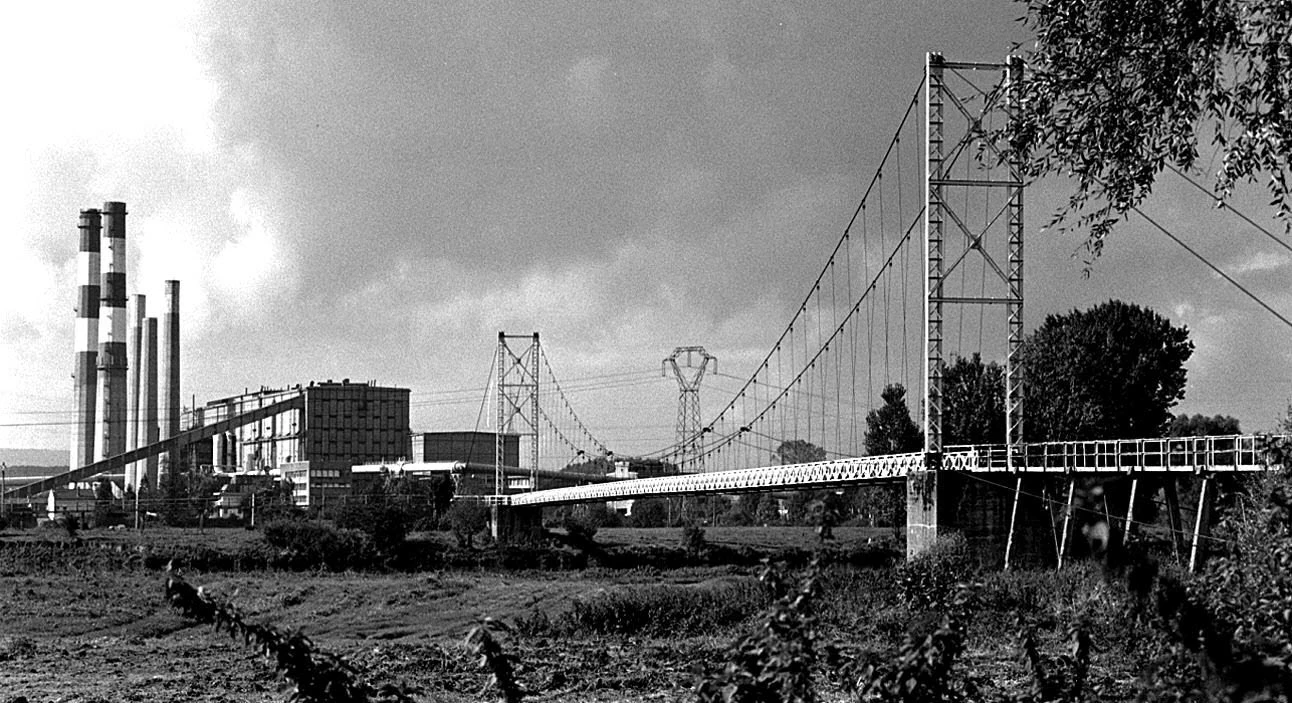
An AI Factory that creates value for its territory
An AI Factory can be a territorial asset, not just a technical site. By establishing on industrial brownfields and repurposing waste heat, it contributes to local rehabilitation and transition.

Direct Liquid Cooling: the key to high-density GPU clusters
As computing density increases, air cooling quickly reaches its limits. Direct Liquid Cooling provides a concrete response to the thermal needs of high-performance AI infrastructures.
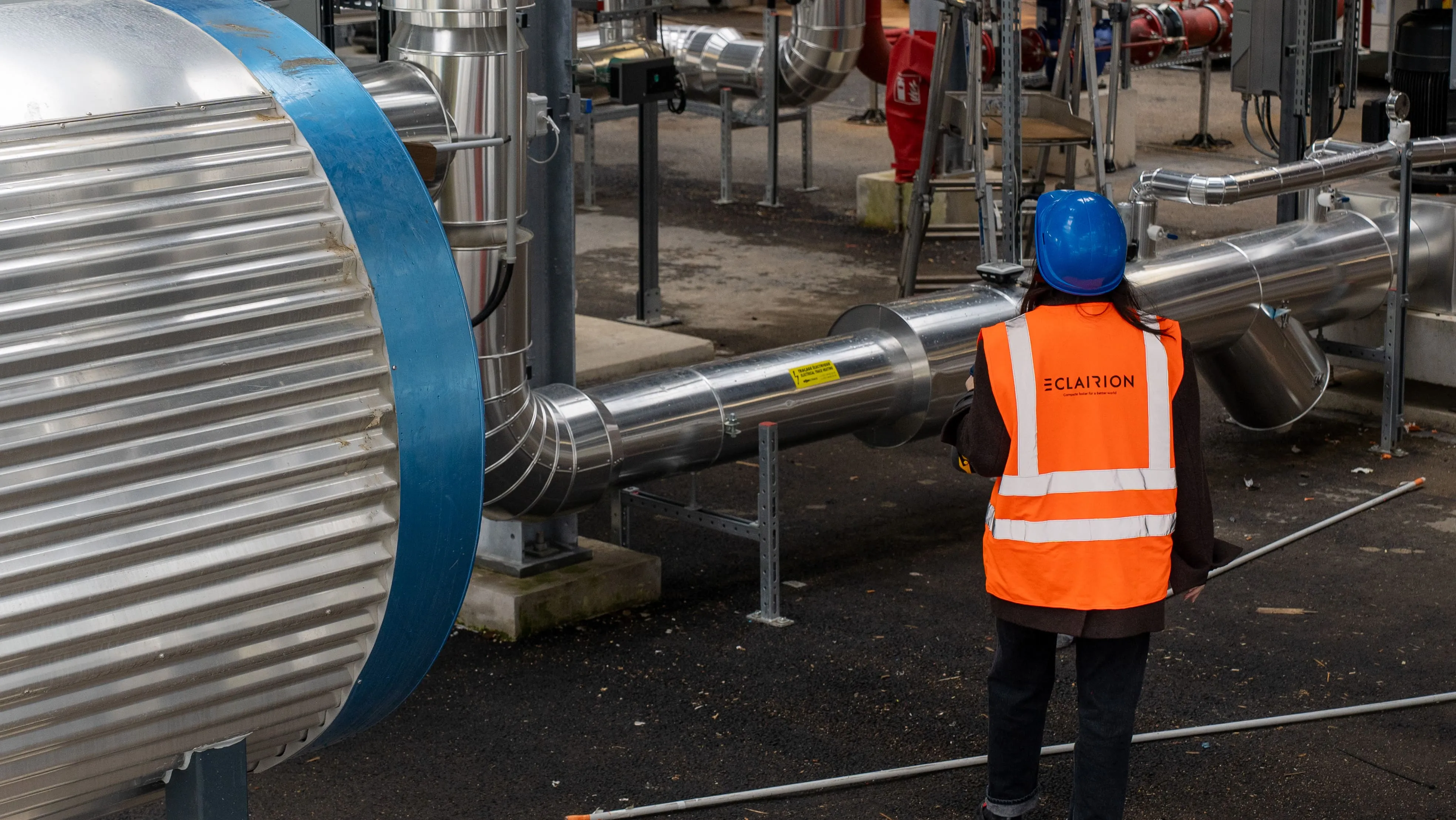
The AI Factory as physical infrastructure, not just a datacenter
Before talking about artificial intelligence, we need to talk about infrastructure. An AI Factory rests first on a physical base capable of absorbing very high GPU loads, without compromise on space, power and cooling.